
NEWS
23/10/2026
#HRNOTES 43
On 20 October 2026, an amendment to the Labour Code passed its first reading in the Chamber of Deputies; amongst other things, it is intended to introduce new rules on transparent remuneration. Although the bill has moved on to the next stage of the legislative process, its approval by the end of the year remains uncertain.
What emerged from the first reading?
The first reading alone did not bring any significant progress to the implementation of transparent remuneration itself. Nevertheless, it clearly showed that further deliberations on the amendment may not be straightforward. MPs’ reservations were directed primarily against the proposed reduction in unemployment benefit and retraining support, and against the change to the definition of dependent work – in other words, amendments not directly related to transparent remuneration.
During the proceedings, a vote was even taken on whether to reject the entire amendment, but this motion was not carried. An amendment was also tabled seeking to maintain the current level of unemployment benefit. It is therefore possible that certain parts of the amendment will be amended during further deliberations.
What is the next step?
The Chamber of Deputies referred the bill to the Committee on Social Policy, whilst at the same time shortening the deadline for its consideration to 30 days. The bill may therefore return to the Chamber of Deputies for a second reading no earlier than 20 November 2026.
This will be followed by a third reading, consideration in the Senate, the President’s signature and the promulgation of the Act.
Will the new rules come into force in January?
Officially, the effective date is still expected to be 1 January 2027, whilst certain obligations relating to transparent remuneration are not due to come into force until 2028.
Given that the second reading cannot take place until the second half of November at the earliest, there will be approximately six weeks left to complete the whole legislative process. Approval of the amendment by the end of the year is therefore still possible, but the timetable is very tight, particularly in view of the reservations regarding certain parts of it.
Whether the amendment will actually come into force on 1 January 2027, or whether its effective date will be postponed during further deliberations, remains to be seen. Nevertheless, given that the deadline for transposing the European directive has already passed, we can expect an extremely short legislative grace period, meaning employers will have to respond to the final version of the law very quickly. We therefore recommend that you do not delay your preparations and, if you have not already done so, begin them as soon as possible!
Legal services in CZ, SK and abroad
Contact

info@forlex.cz
+420 596 110 300
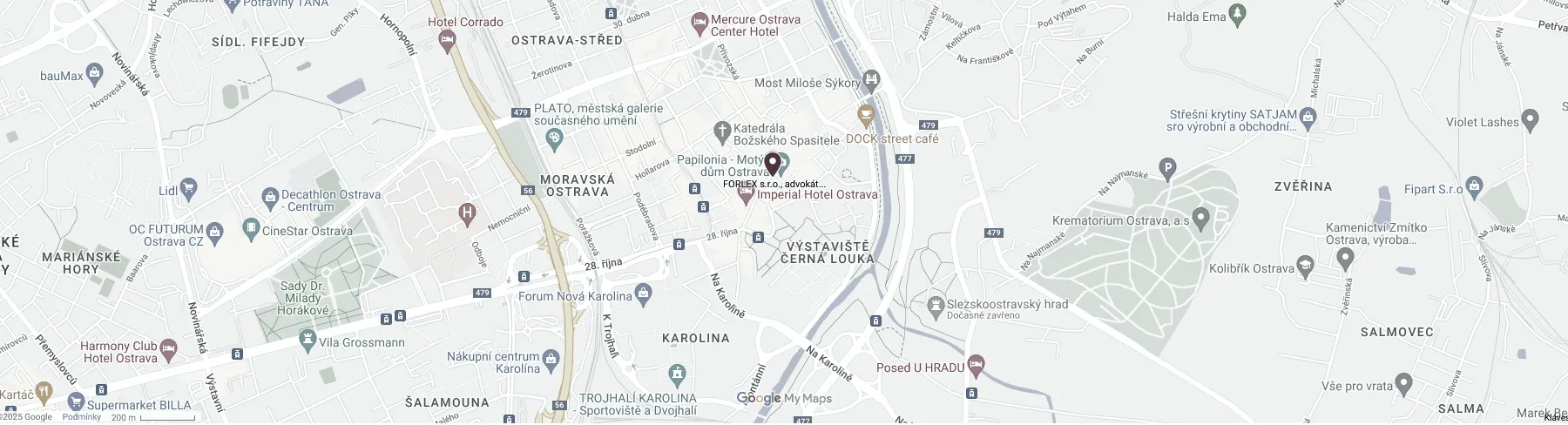
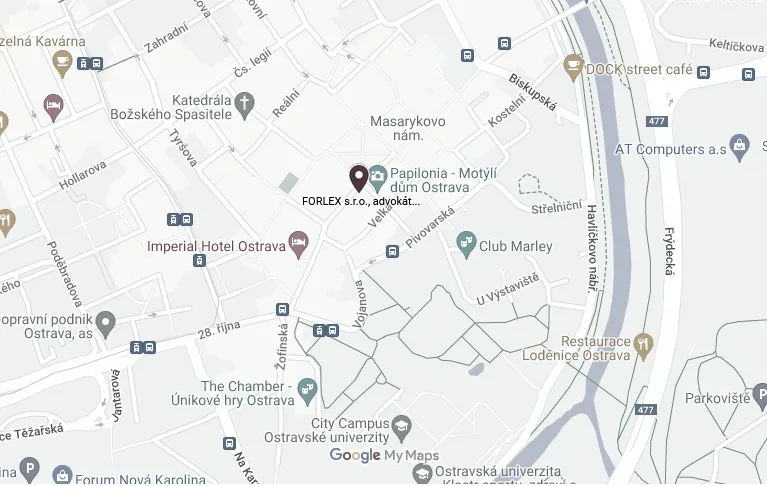
Ostrava
FORLEX s.r.o., attorneys-at-law
28. října 3159/29, 702 00 Ostrava
Brno
FORLEX s.r.o., attorneys-at-law
Palác Trnitá, Trnitá 542/18, 602 00 Brno
Billing information
IČO: 04275705, DIČ: CZ 04275705
ČSOB
Account No. CZK – 321695472/0300
Account No. EUR – 333568649/0300
Registred in the Commercial Register maintained by the Regional Court in Ostrava, Section C, File 63028.
Consumer protection information
On 5 February 2016, the Czech Bar Association was authorized by the Ministry of Industry and Trade of the Czech Republic to deal with alternative consumer dispute resolutions in the field of disputes between a lawyer and a consumer arising from legal service agreements (under Act no. 634/1992 Sb., on consumer protection, as amended). The website of the designated body is www.cak.cz.